
Your typography and color system
We build to the brand book: approved typefaces, exact color values, logo clear space, and lockups. No near-miss colors, no fallback fonts.
Custom Builds · Proof by Build Type
Four build types agencies bring us most, each shown through the case studies behind it: what the client needed, what we built, what it counted, and what we would tell the next producer. Every number comes from the case study itself.
Smaller budget? The prebuilt web games roster: eighteen browser games, branded to the client, live in days.
 Custom software · Built for Microsoft with Squeak E. Clean Studios
Paint is made for one person at their own PC, with Copilot features like Cocreator, and was never designed to be driven by another app. We wrote a native Windows on Arm companion for Surface Pro that opens each guest's portrait in the real Paint, adds a touch sticker strip, reads the layered file Paint saves, and texts back an animated video in seconds.
181
Guests Made Art in Paint
255
Photos + Videos Texted
100%
Deliveries Confirmed
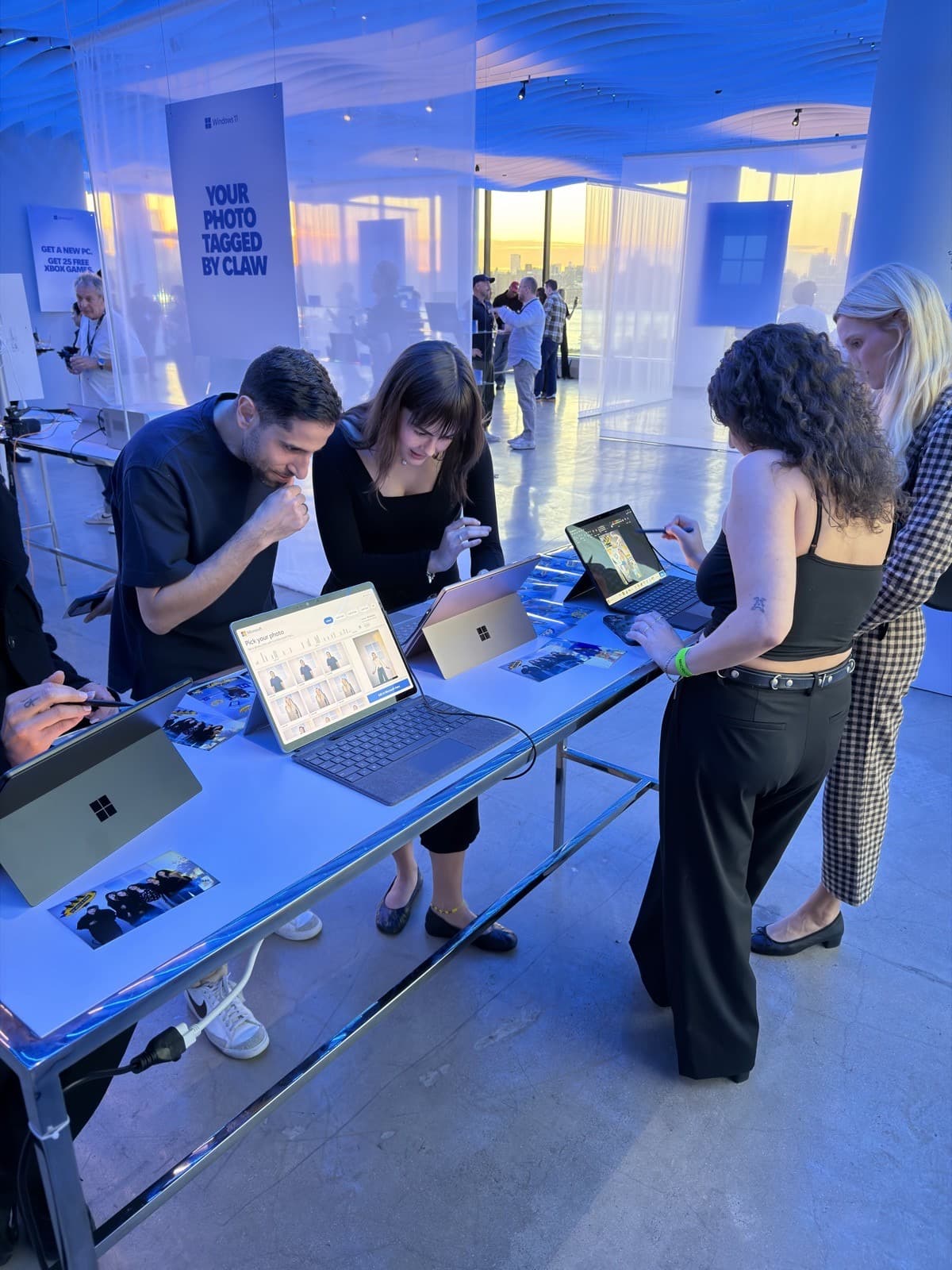
Vesper · Brooklyn, NY
831,506
Seconds Watched
Product explorers, configurators, trading-card and print kiosks, tablet intake pipelines. Outdoor-ready displays with analytics on every tap.
See the builds →
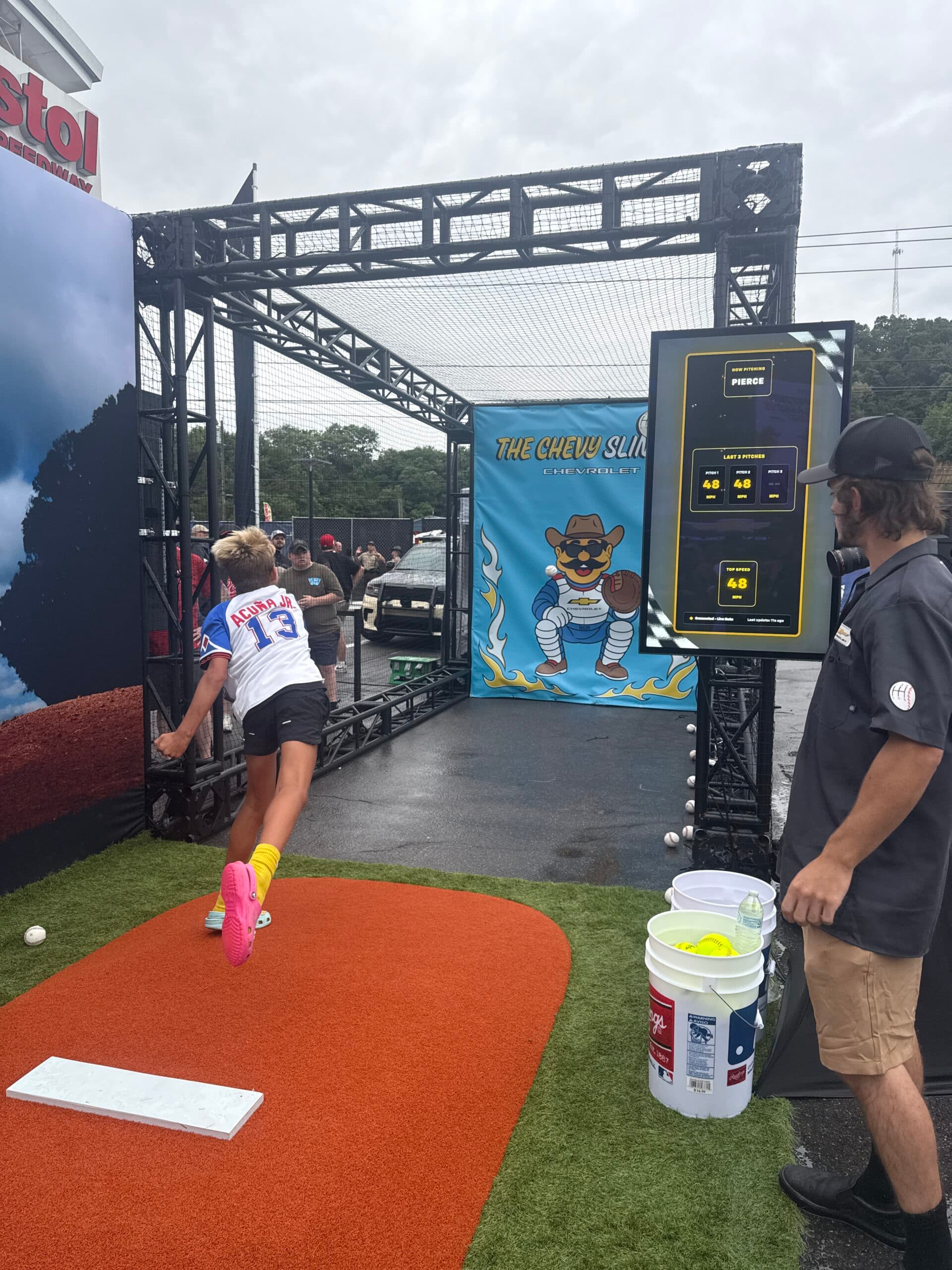
963
Pitches Thrown
Radar pitch cages, sensor-scored throw walls, 40-button reaction walls, scored Pop-A-Shot, and the smart punching bag boxing game we built as STRIKECOACH's technology partner.
See the builds →
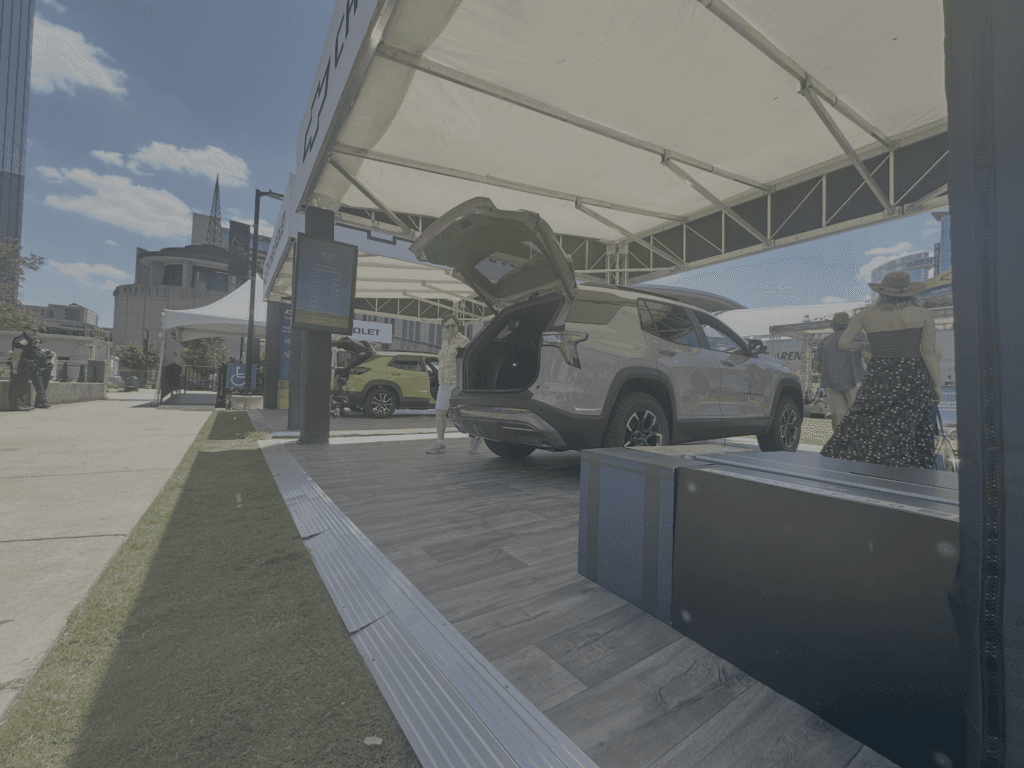
10,000
Boxes Loaded
Timed challenges, combine-style scoring on a local server, team and city rankings, one shared national scoreboard.
See the builds →
2,856
Outputs Created
Register once, tap an RFID wristband or card at every station, one record per fan, one export for the client.
See the builds →
No templates. Ever.
Nothing we ship is a product with your logo dropped on it. Each program is designed and built from scratch for the brand running it, by our own local, in-house developers (nothing outsourced, nothing offshore), to the brand guidelines your marketing team already enforces. Your typefaces, your colors, your motion, your tone, your legal lines. Ours never appear.
Bring the brand guidelines to the kickoff call. No formal guidelines yet? We work from your logo files and website and send a style sheet for sign-off before the build starts.
We build to the brand book: approved typefaces, exact color values, logo clear space, and lockups. No near-miss colors, no fallback fonts.
Start screens, prompts, consent language, share pages, and texts are written in your tone, then approved by your team before anything ships.
Transitions, idle loops, win states, and audio follow your motion and sound rules, or stay quiet if the brand says so.
Official rules, disclaimers, age gates, and opt-in copy placed where your counsel wants them, word for word.
Wraps, enclosures, and fabrication finished in the brand palette and materials. Nothing on the floor says PivotXP.
You review a working build, not a mockup, and approve it against your guidelines before it goes on a truck.
Built to not fail
Agencies approve our quotes next day because the last one worked. That is not luck: the same engineers who write the software run it on site, and every build goes through the same field checks before it ships.
Every unit runs the real program for days before it goes on a truck, in direct sun when the footprint is outdoors, so the first guest is never the first test.
A watchdog on the unit restarts a hung screen or app on its own, before a tour manager has to notice.
Every kiosk and build is reachable by our engineers, so most issues are fixed from our desk while the line keeps moving.
Capture, scoring, and printing keep working when venue internet drops. Data syncs when the connection returns, with nothing lost.
Each unit reports its status to one dashboard, so we see a problem forming before your producer does.
Multi-unit footprints travel with a spare, and a tech on site swaps it in minutes.
Proof, not promises
An RFID footprint with 2,856 outputs over five days, an offline combine-scoring platform at eight NFL camps, and one registration card across four activations.
2,856
Outputs Created
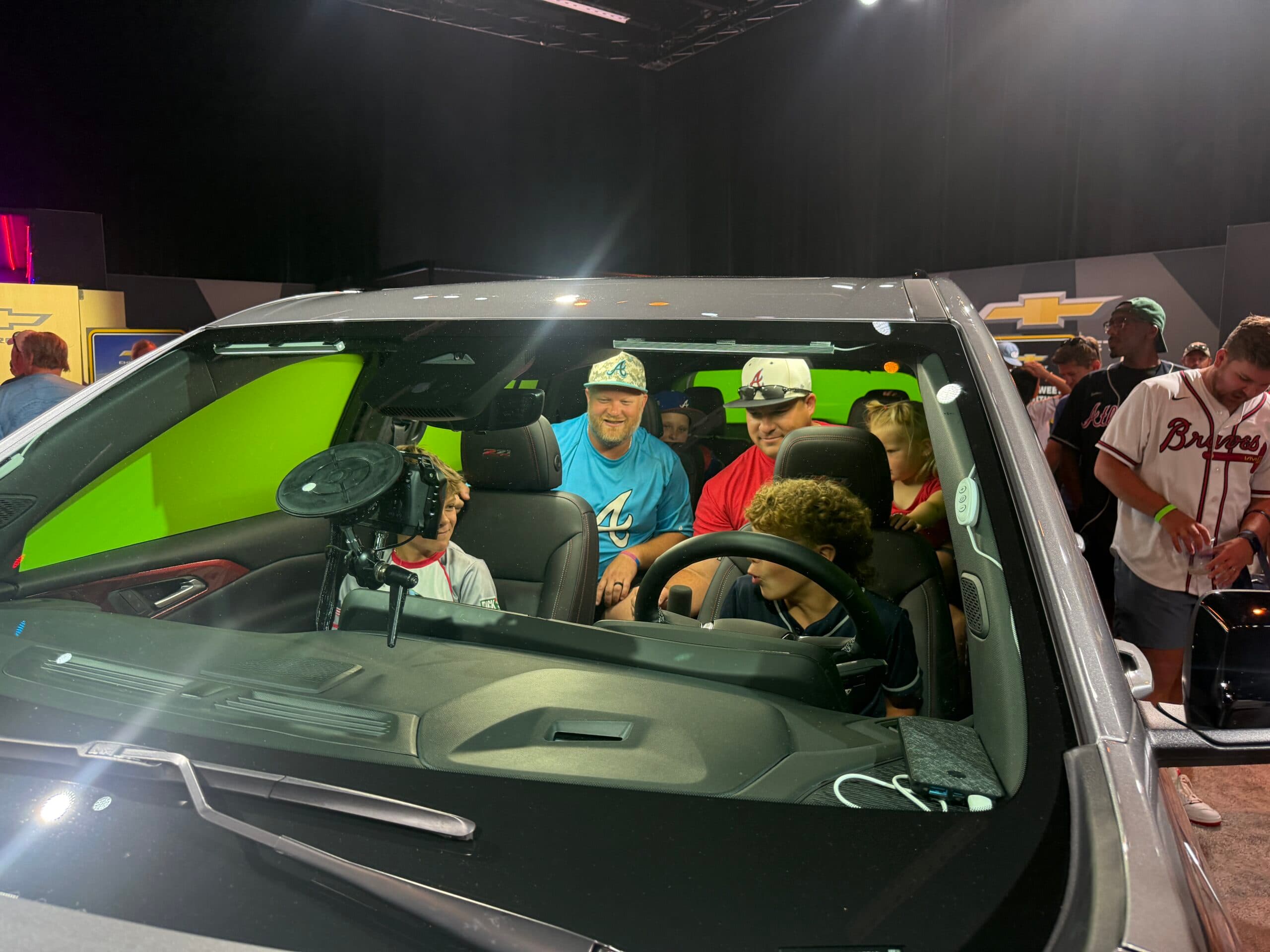
Chevrolet — via Jack Morton
At the 2025 MLB All-Star Game Fan Fest in Atlanta, Jack Morton partnered with PivotXP to design and deliver a five-day interactive brand experience for Chevrolet that connected baseball f…
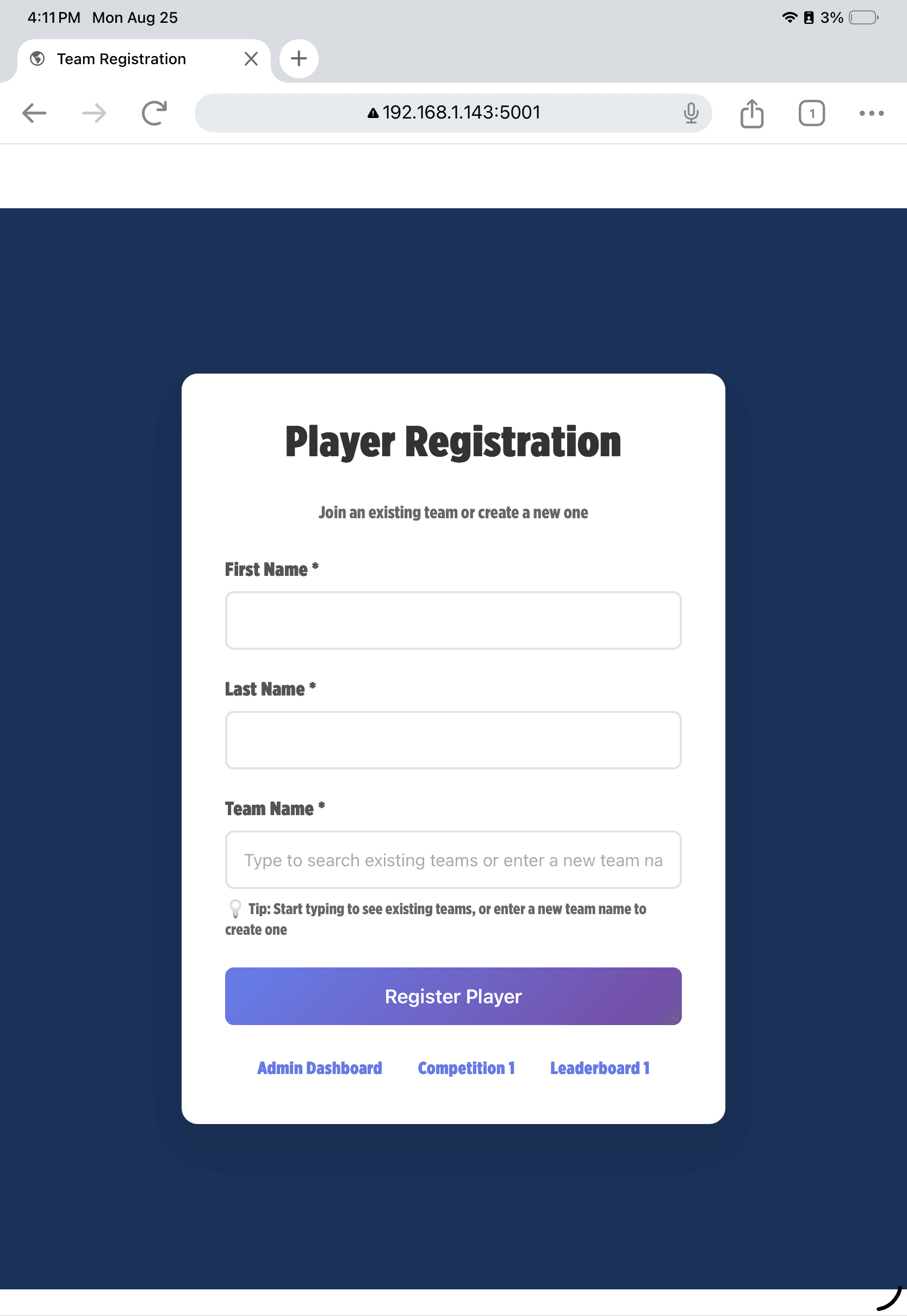
2,000
Completed Drills
USAA — via 160/90
Across eight official NFL Training Camps, The Agency 160/90 reach out to us regarding a project where USAA brought together active-duty military members for an unforgettable day of footba…
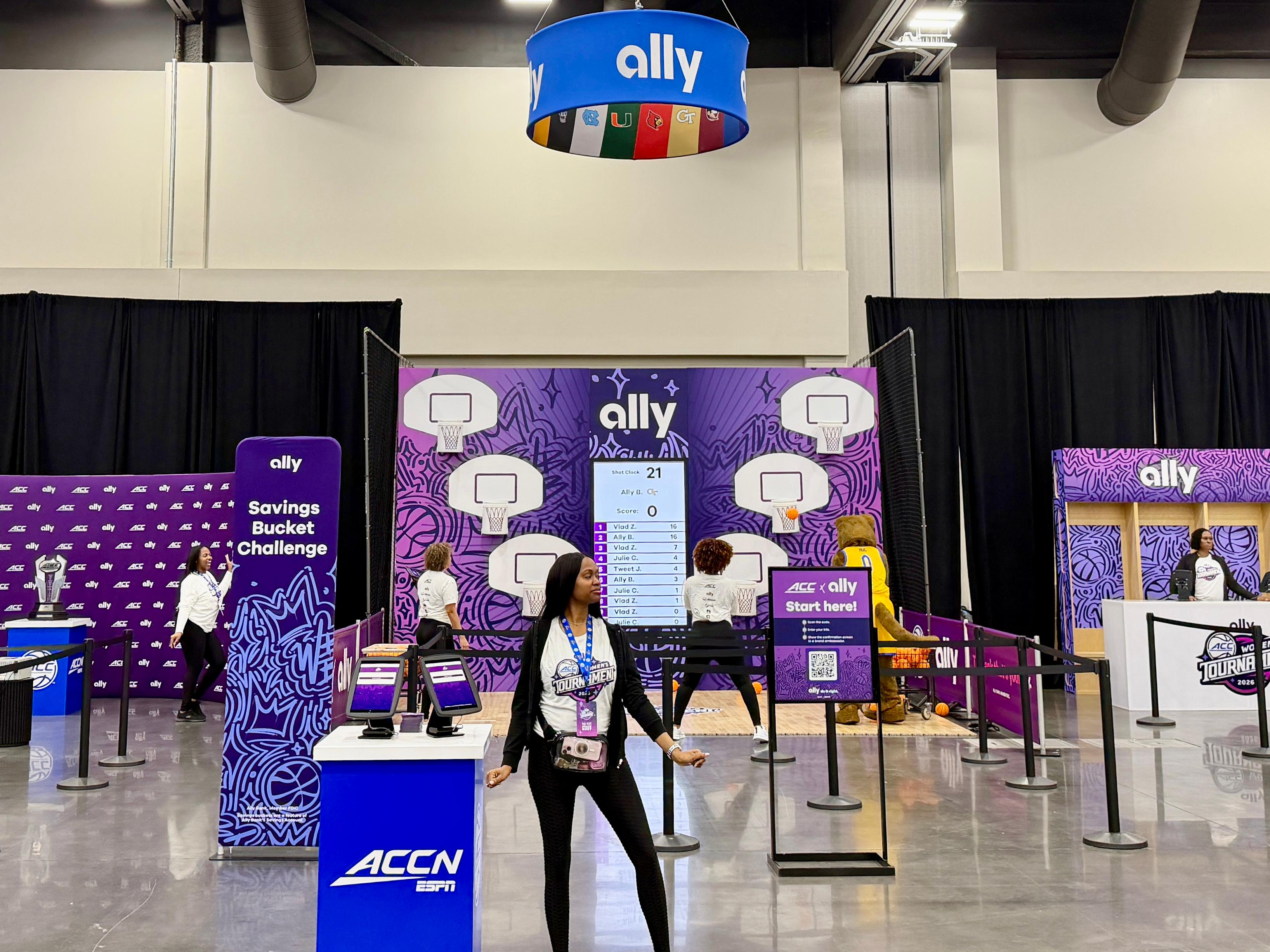
793
Gameplay Sessions
Ally / ESPN / Etzel
At the 2026 Ally ACC Women's Basketball Tournament, PivotXP partnered with Etzel to build a fully connected fan engagement system that unified multiple activations into one seamless exper…
How custom builds are quoted
A custom interactive is a software product with hardware attached, and the quote reads that way: a fixed price for the scoped build, hardware itemized as pass-through, and the deployment, support, and change-order terms written down before anyone starts.
Nine lines, always in this order, so you can compare two of our quotes against each other and never against a booth rental. Send the concept deck and a budget bracket and the first version comes back the same business day.
1. Discovery and experience design
The brief becomes a build spec: guest flow, screens, scoring or capture logic, data fields, and the hardware list. Waived on returning accounts, but it always appears.
2. Software build
One fixed fee for the scoped build, with the complexity tier named: a new skin on an existing engine, a new interaction with data capture, or a multi-mode build with sensors, AI, or integrations.
3. Hardware
Itemized as pass-through: screens, kiosks, readers, sensors, printers, cases. Your team or your fabricator can supply any of it.
4. Deployment, burn-in, and configuration
Kiosk prep, pre-ship test, and the burn-in run on the real program before it leaves.
5. On-site technician days and travel
Priced per tech per day at one rate for every client; travel at cost with a range quoted up front.
6. Shipping and road cases
Round trip, parcel or freight, with return labels.
7. Post-event support window
Remote support for a set window after the event, with an optional hosting and support subscription for programs that keep running.
8. Change orders and rush terms
Written before the work, at a rate printed in the contract. Nothing is "not a problem" without a line, even when that line is waived.
9. Contingency
Added when your procurement matrix asks for one, shown as its own line.
Built once, licensed per deployment
Each one has run in the field for seasons, is maintained by our own developers, and is redeployed to a new brand with new creative, new rules, and new dates. A returning program is a license line and a redeploy, not a rebuild. A permanent install or an agency fleet can license a core outright with hosting and a support subscription.
Programs + LicensingTrading-card engine
Capture, card designs set to the brand book, variable data, and on-site printing. Redeployed for auto, sports, and CPG programs.
Live leaderboard
Scoring rules, prize windows, team and city rankings, offline tour scoring, and jumbotron or LED views.
Capture-system software
The software on every Selfie Station, Pro Kiosk, Robot, 360, and Array: capture, AI enhancements, delivery by text, email, or QR.
Registration and data-capture backend
One guest record across QR, RFID, and kiosk touchpoints, with consent, dedupe, dashboard, and CSV or API export.
Kiosk OS
Lockdown, remote access, watchdog, health reporting, and content swaps on every unit we ship.
Lead times
Kiosk or Starlink rental
Ships the next business day after the contract is signed, timed to arrive before your setup date.
Brand an existing kiosk
Days once your art arrives. Wrap art, overlays, share page, and AI creative. Art specs sent at kickoff.
Custom software build
Days for a proven format, a few weeks for something new. Local, in-house developers, never outsourced, scenario-tested before it ships.
Hardware + software concept
Weeks, not months. Software and sensor integration in house; fabrication gets a real date at the quote stage.
Clickable prototype for a pitch
Days. Enough to win the room before anything is built.
Tight timeline? Say so on the form. Rentals and returning programs move in days; we will tell you honestly what a new build can hit.
Send the deck anyway. Most of these builds started as a mechanic nobody had built yet.