The first question in almost every touring inquiry is whether the gear ships to the tour or we send someone with it. Both are standard. The wrong answer is picking one for the whole tour when the stops are different. Here is how we think about it.
Ship it when the unit is proven and the crew is steady
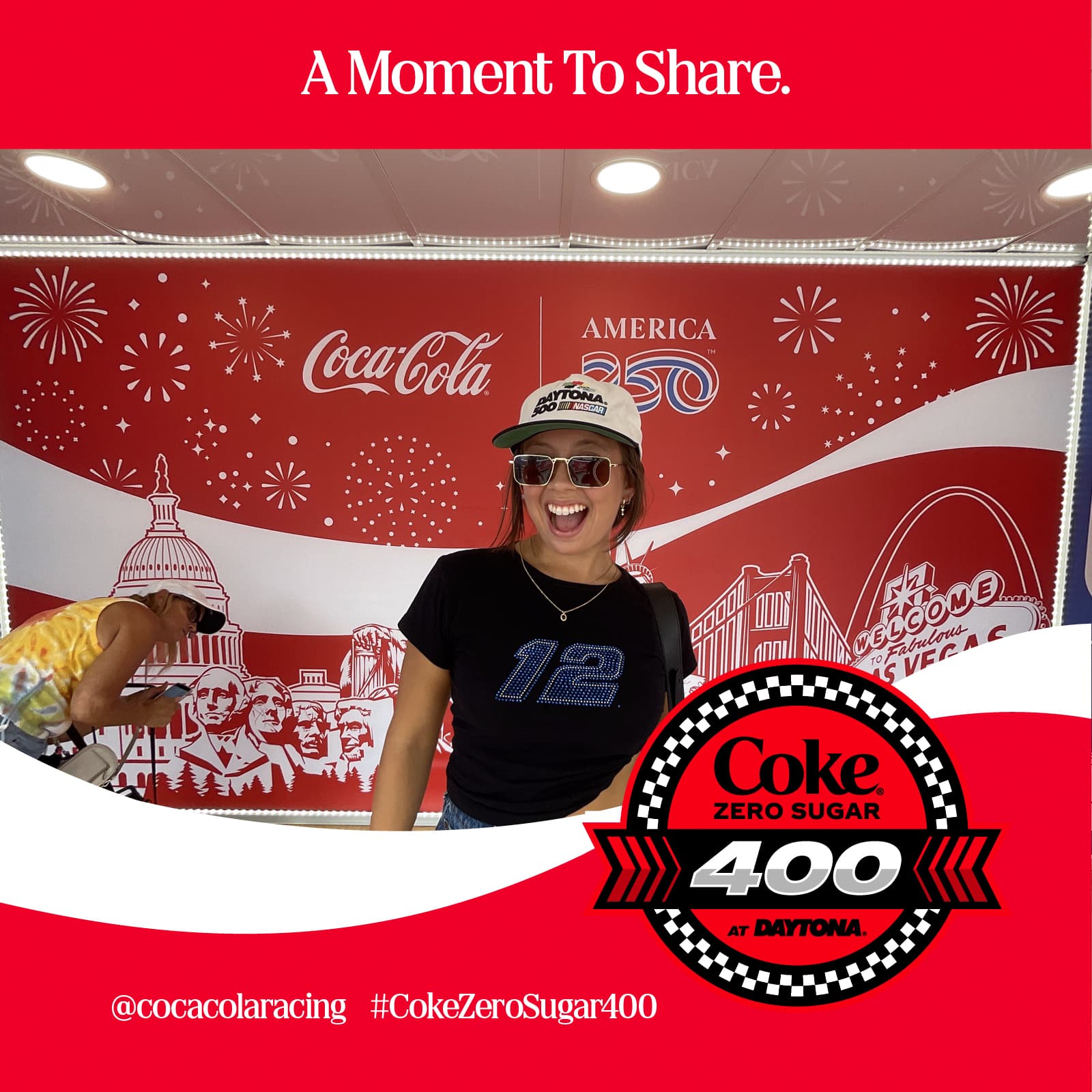
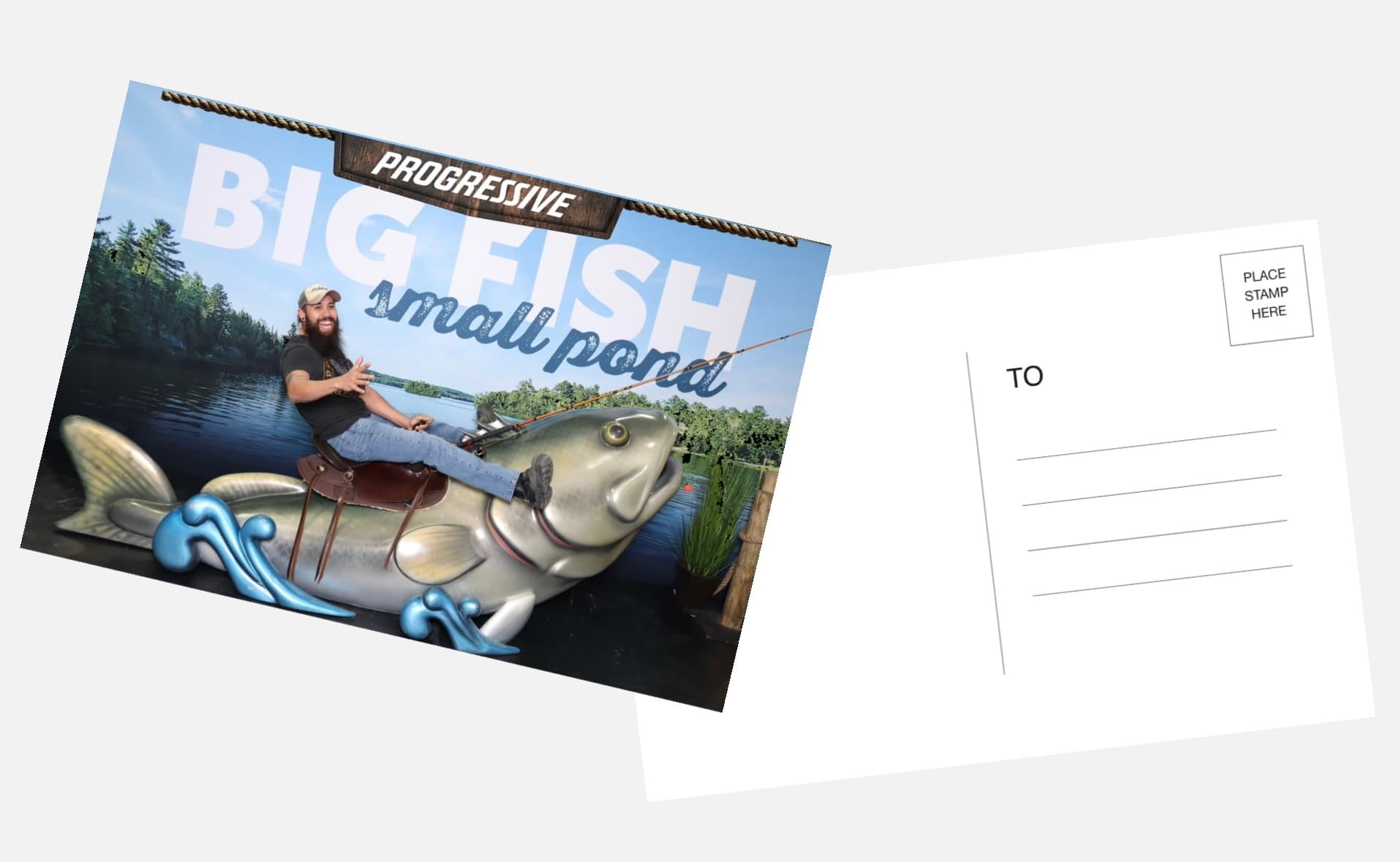
A Selfie Station, a GIF kiosk, a trivia touchscreen, or a hard-panel game build arrives in a road case with the creative loaded, a printed setup guide with photos, a setup video, and a support line. The tour manager unfolds it, plugs it in, and powers on. We can see the unit remotely, restart it, and fix most issues from our desk. The Progressive postcard program ran multi-city on exactly this model and delivered more than 14,000 photos with mail-ready prints, with no PivotXP staff on the road.
- Same crew at every stop who has set the unit up once with us on a call
- A proven build, not a first-run concept
- Reliable power and either venue internet you trust or a Starlink or cellular kit in the case
- A footprint where the client is not standing next to the unit all day
Staff it when the stop is the one that matters
Premium stops, the first live day of a new build, multi-unit footprints, and anything where the client or the sponsor is on site. A PivotXP tech sets up, runs, troubleshoots, handles same-day creative changes, and strikes. It is priced per tech per day with travel at cost and a range quoted up front. Clients tell us the on-site tech is the reason they rebook, and for the stops that carry the program, it is worth the line.
Mix it: staff the first stop, ship the rest
This is the most common answer for a new program. A tech runs the first one or two stops with the tour crew, tunes the flow, documents the quirks of the specific venue types, and hands off. The crew runs the remaining stops with remote support. USAA's Battle at the Combine ran across eight NFL training camps on offline-ready iPad registration and a live leaderboard, 2,000 drills recorded, with the flow locked in early and the crew carrying it from there.
The stop-by-stop checklist
- Is the venue indoor or outdoor, and what is the internet situation? Outdoor with open sky: Starlink in the case. Indoor hall with no sky: bonded cellular. Either way it is decided before the truck leaves.
- Is there power at the footprint, or does the unit need a battery pack for the show day?
- Who signs for the case, and where does it live overnight? Bagging and lockdown are in the setup guide.
- Is this the stop where the client shows up? If yes, that is a staffed stop.
- Is the creative changing between stops? Regional versions can be preloaded; same-day changes are a reason to staff.
What the quote looks like
Shipped stops carry the rental, the creative setup once, and round-trip freight per leg. Staffed stops add a per-day tech line and travel at cost. A season or multi-show lease replaces the per-event rental with one contract and one creative setup for the whole calendar, which is usually the better number past three stops. Send us the routing and we will mark each stop ship or staff on the estimate, so the decision is visible before you commit.